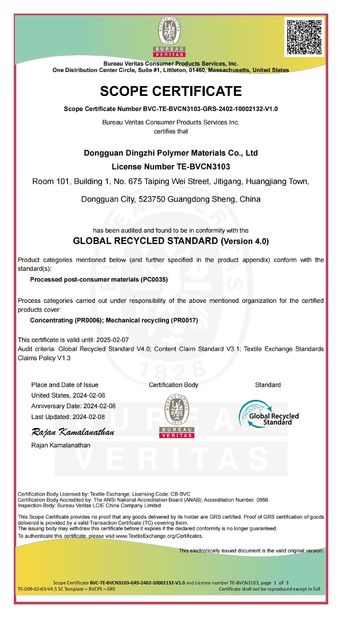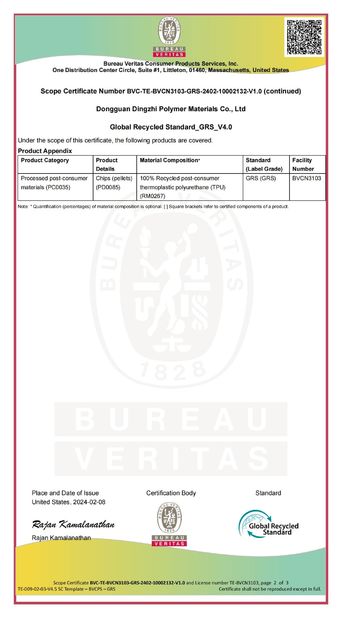
Rubber products have been widely used in industrial and consumer applications, but challenges in processing complexity and recycling difficulties are becoming increasingly prominent. Facing stringent environmental regulations and growing demand for high-performance, sustainable materials, thermoplastic polyurethane (TPU) is rapidly replacing conventional rubber across multiple industries due to its superior properties.
TPU is a multi-phase block copolymer composed of alternating hard and soft segments. This unique molecular structure gives TPU excellent physical and mechanical properties, offering wide adjustability in hardness, strength, and elasticity. Unlike traditional rubber, TPU requires no compounding, providing ready-to-use performance that simplifies production processes.
Key advantages of TPU include:
TPU has successfully replaced rubber in multiple applications:
Successful transition from rubber to TPU requires:
| Property | Rubber | TPU |
|---|---|---|
| Hardness Range | 30 - 90 Shore A | 60 Shore A - 85 Shore D (plasticizer-free) |
| Mechanical Strength | High tensile, low elongation | High tensile and elongation |
| Wear Resistance | Medium to high (formulation dependent) | Exceptionally high |
| Design Flexibility | Limited | High (lightweight, complex geometries) |
| Processing | Multi-step, energy intensive | Thermoplastic, high efficiency |
| Recyclability | Limited to rubber powder | Fully recyclable |
As a high-performance elastomer, TPU continues to gain market share across industries due to its comprehensive advantages. Ongoing technological advancements promise broader applications, supporting economic development while addressing sustainability challenges.
İlgili kişi: Ms. Chen
Tel: +86-13510209426